Saturday, March 29, 2025
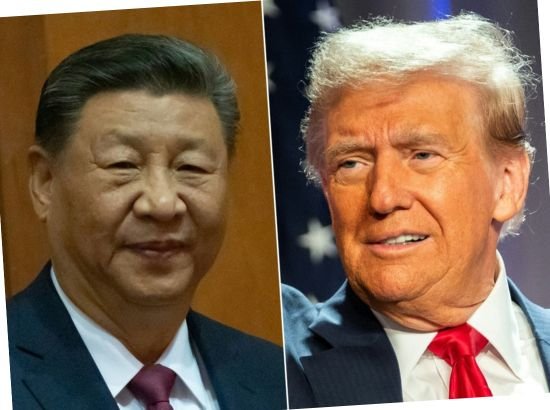
Beijing/Washington: April 14, 2026
The naval blockade of Iranian ports by the United States has sparked global turmoil. Reacting to this aggressive military move, China has issued a direct warning to the U.S., stating that it will not accept any external interference in its commercial and energy interests.
Chinese Defense Minister Dong Jun clarified that while his country supports regional peace, China’s priority is to respect and uphold the trade agreements made with Iran. China expressed strong resentment over the American stance of forcing Chinese vessels to retreat from the Strait of Hormuz.
The tension has had an immediate impact on the global market. Following the breakdown of U.S.-Iran talks and the announcement of the blockade, crude oil prices have surged significantly:
Brent Crude: Reached $101.88 per barrel.
WTI (US) Crude: Reached $104.69 per barrel.
Economic experts fear that the instability in the Strait of Hormuz could push the global energy market into a major crisis. Spanish Defense Minister Margarita Robles also labeled the blockade as “absurd,” stating that this move has brought the world into a dangerous situation.
In response, Iran has threatened retaliatory action, warning that it could target all ports across the Persian Gulf and the Gulf of Oman.
Maritime Alerts: The United Kingdom Maritime Trade Operations (UKMTO) agency has issued notices for vessels to remain vigilant.
Military Presence: Although there are no formal restrictions on non-Iranian ships, the heavy military presence in the region could trigger a confrontation at any moment.
This American blockade has not only strained relations with Iran but has also forced China and several other nations to unite against the U.S., transforming this conflict into a burgeoning global geopolitical crisis.