Saturday, March 29, 2025
Washington/Tehran: April 13, 2026
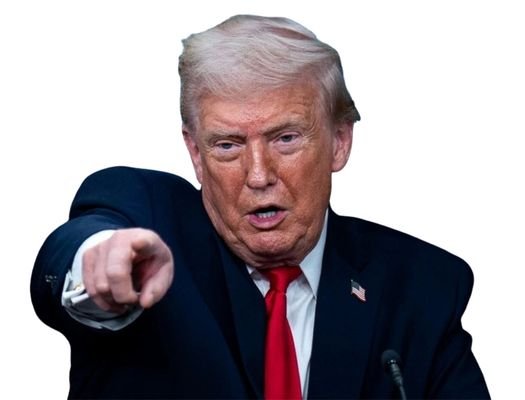
Following the failure of peace talks held in Islamabad between Iran and the United States, the confrontation between the two nations has reached a new and dangerous turning point. Under the direction of US President Donald Trump, the US Central Command (CENTCOM) has officially announced that, effective April 13, they are initiating a total blockade of maritime traffic to and from Iranian ports. This move is aimed at increasing economic and military pressure on Iran, raising fears of a global “oil crisis.”
The US administration stated that this blockade will apply neutrally to vessels from all nations entering or exiting any Iranian ports or coastal areas. However, CENTCOM clarified specific operational boundaries:
Strait of Hormuz Protocol: US forces will not interfere with ships transiting through the Strait of Hormuz to reach ports in other countries.
Notice to Mariners: A formal “Notice to Mariners” is being issued to commercial vessels regarding these restrictions.
Trump’s Warning: Via ‘Truth Social,’ President Trump warned that any ship paying illegal tolls to Iran will be denied safe passage. He further claimed the US military is fully prepared to destroy Iran’s remaining weaponry.
The Iranian Revolutionary Guard Navy has strongly opposed the US decision, asserting its continued control over the strategic waterway.
Military Retaliation: Iran has warned that any US or foreign military vessel entering their territory will face a “strong and decisive response.”
Strategic Importance: International experts fear that a prolonged blockade could severely disrupt the Global Oil Supply Chain. The Strait of Hormuz remains the world’s most sensitive chokepoint for oil exports.
Impact on India: The situation is particularly concerning for nations like India, as it could lead to a massive spike in crude oil prices.
Currently, military tensions between the two nations are at an all-time high, and the world is closely watching the region for any further escalation.