Saturday, March 29, 2025
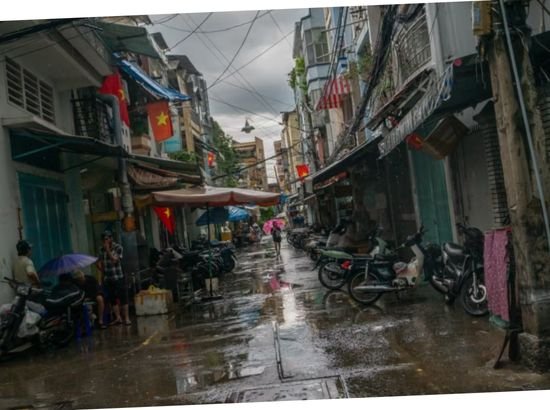
HANOI, VIETNAM — The severe weather system known as Typhoon Bualoi has caused widespread devastation across Southeast Asia, with the combined death toll now exceeding 30. The storm’s torrential rainfall continues to batter the region, elevating the threat of dangerous flooding and mudslides.
Vietnamese government authorities have designated Bualoi as the most destructive storm to strike the country this year, confirming 19 fatalities and reporting 21 individuals missing. The typhoon made landfall in the north-central part of Vietnam on Monday, unleashing massive ocean swells, high-velocity winds, and heavy downpours. The relentless rain on Tuesday has significantly increased the risk of flash floods and landslides, especially across the nation’s northern territories, including the capital, Hanoi, where many streets are inundated. The national weather agency recorded rainfall surpassing 300mm in some areas over a 24-hour period, prompting safety advisories for residents near the Red River.
The storm’s fury was also felt in neighboring nations. In Thailand, the national disaster prevention body confirmed that flooding affected 17 provinces. The ancient city of Ayutthaya was the most severely impacted area, recording four deaths, according to the International Federation of Red Cross & Red Crescent. Thai officials undertook measures to protect the city’s celebrated Unesco-listed monuments, including the renowned Wat Chaiwatthanaram, by erecting steel plates and adding barriers along the Chao Phraya and Pa Sak rivers.
In the Philippines, Bualoi claimed at least 11 lives last week while it was still classified as a tropical storm. The small island province of Biliran suffered the worst effects, with 10 people killed by severe flooding and mudflows. The storm destroyed numerous homes, school facilities, and vital bridges, necessitating ongoing efforts for road clearance and water distribution.
Bualoi has since weakened into a tropical depression and is tracking toward Laos, according to Vietnam’s National Center for Hydro-Meteorological Forecasting. Its heavy rains follow closely behind the deluge delivered by last week’s Typhoon Ragasa.
Climate experts note that the increasing intensity and moisture content of such storms are linked to global warming, asserting that warmer oceans provide tropical weather systems with more energy, leading to stronger winds and more volatile rainfall patterns across the globe.