Saturday, March 29, 2025
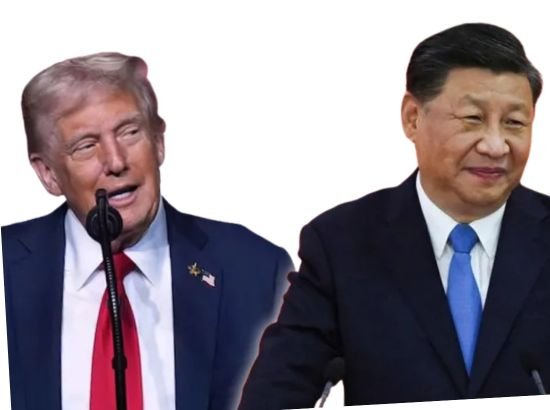
U.S. President Donald Trump and Chinese President Xi Jinping are set to meet within the next four weeks to address escalating trade tensions, with soybeans at the center of the dispute. The meeting carries global significance as it could reshape trade flows, stabilize markets, and impact India’s role in the supply chain.
Rising tariffs have pushed China to halt purchases of American soybeans, leaving U.S. farmers facing heavy losses. Soybeans—once a symbol of robust agricultural trade between Washington and Beijing—have now become a flashpoint in the ongoing trade battle.
Announcing the meeting, Trump posted on X (formerly Twitter), emphasizing that he stood with American farmers who had been hit hard.
“Our soybean farmers are suffering because China has stopped buying from us. We have collected significant revenue from tariffs, and a portion of this will go to support farmers,” Trump said.
He also criticized former President Joe Biden, accusing him of failing to enforce trade agreements with China that could have guaranteed billions in U.S. exports. Trump assured farmers that soybeans would be a “key topic” in his upcoming talks with Xi.
If Trump and Xi reach an agreement, it could bring much-needed stability to commodity markets. For China, securing reliable soybean supplies is vital, while the U.S. is under pressure to protect its farmers.
Positive outcome: Markets are likely to respond with optimism, stabilizing stock prices and commodity rates.
Failure of talks: Could trigger greater volatility, pushing up global food and feed prices.
The outcome of the talks will directly affect India’s position in global trade.
If talks fail: China will be forced to diversify suppliers. India, alongside Brazil and Argentina, could emerge as an alternative source. Additionally, ongoing U.S.–China trade friction may encourage American firms to shift parts of their supply chains to India, boosting investment and job creation.
If a deal succeeds: China would resume large-scale soybean imports from the U.S., limiting India’s export opportunities. Moreover, India’s soybean supply chain lacks the scale and efficiency of giants like Brazil or the U.S., restricting immediate gains.
The Trump–Xi meeting is not just about soybeans—it’s a test of how the world’s two largest economies manage trade disputes that ripple across global markets. For India, the talks represent both an opportunity and a challenge: a chance to expand its trade role if tensions persist, but limited space to benefit if Washington and Beijing strike a deal.