Saturday, March 29, 2025
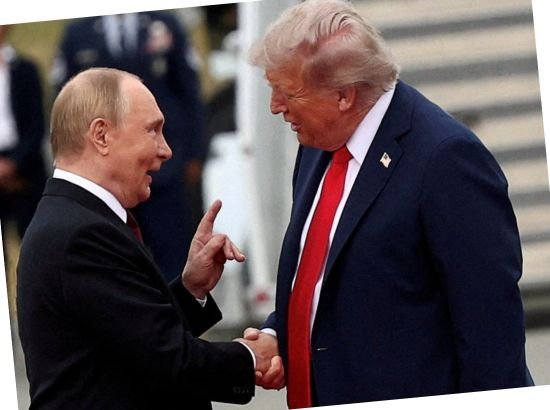
Putin Sets Nuclear Condition After U.S. Pressure – What Will Trump Do?
Moscow –
Russian President Vladimir Putin has issued a significant statement on the future of nuclear arms control between Moscow and Washington. On Monday, Putin announced that Russia is ready to continue observing the numerical limits of the New START Treaty for one more year beyond its expiration date on February 5, 2026.
Putin emphasized that after this one-year extension, Russia will reassess the situation and decide whether to maintain these self-imposed restrictions. However, he made it clear that this commitment depends on the United States acting in the same spirit, refraining from any moves that could disrupt the current balance of nuclear deterrence.
Speaking at a Russian Security Council video conference, Putin said Moscow has no interest in escalating tensions or fueling an arms race. His remarks come amid the ongoing Ukraine crisis and growing global concerns over nuclear stability.
The New START Treaty, signed in 2010 by then U.S. President Barack Obama and Russian President Dmitry Medvedev, limits both nations to a maximum of 1,550 deployed nuclear warheads and 700 deployed missiles and bombers. The treaty was extended for five years in 2021 but is set to expire in 2026.
Putin recalled that in 2023, Russia suspended its participation in the New START Treaty but pledged to adhere to its core provisions until the treaty’s expiration. His latest declaration signals that Moscow may voluntarily uphold restrictions until 2027—if Washington reciprocates.
The Russian President has also ordered state agencies to closely monitor U.S. activities related to strategic offensive weapons, stressing that any imbalance could force Russia to reconsider its stance.
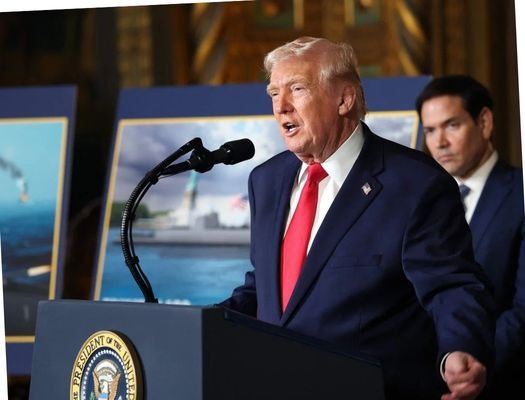
This announcement adds a new dimension to the already tense U.S.-Russia relations, leaving the next move to President Donald Trump, who now faces the challenge of balancing deterrence, diplomacy, and global nuclear security.