Saturday, March 29, 2025
Islamabad: April 11, 2026
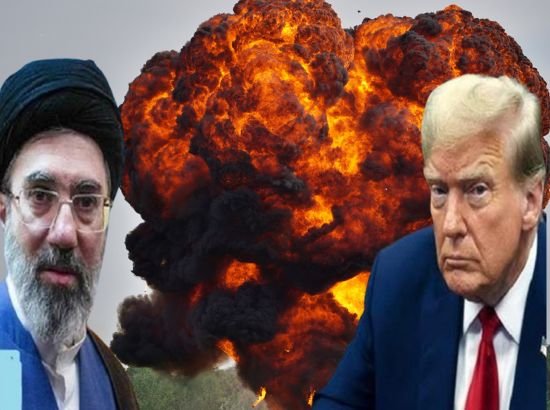
The world’s attention is currently fixed on the Pakistani capital, Islamabad, where efforts to convert the ceasefire between the United States and Iran into a permanent peace deal have reached a critical juncture. On one hand, a high-level delegation led by Iranian Parliament Speaker Mohammad Bagher Ghalibaf has arrived, while Vice President JD Vance is visiting Pakistan to represent the U.S.
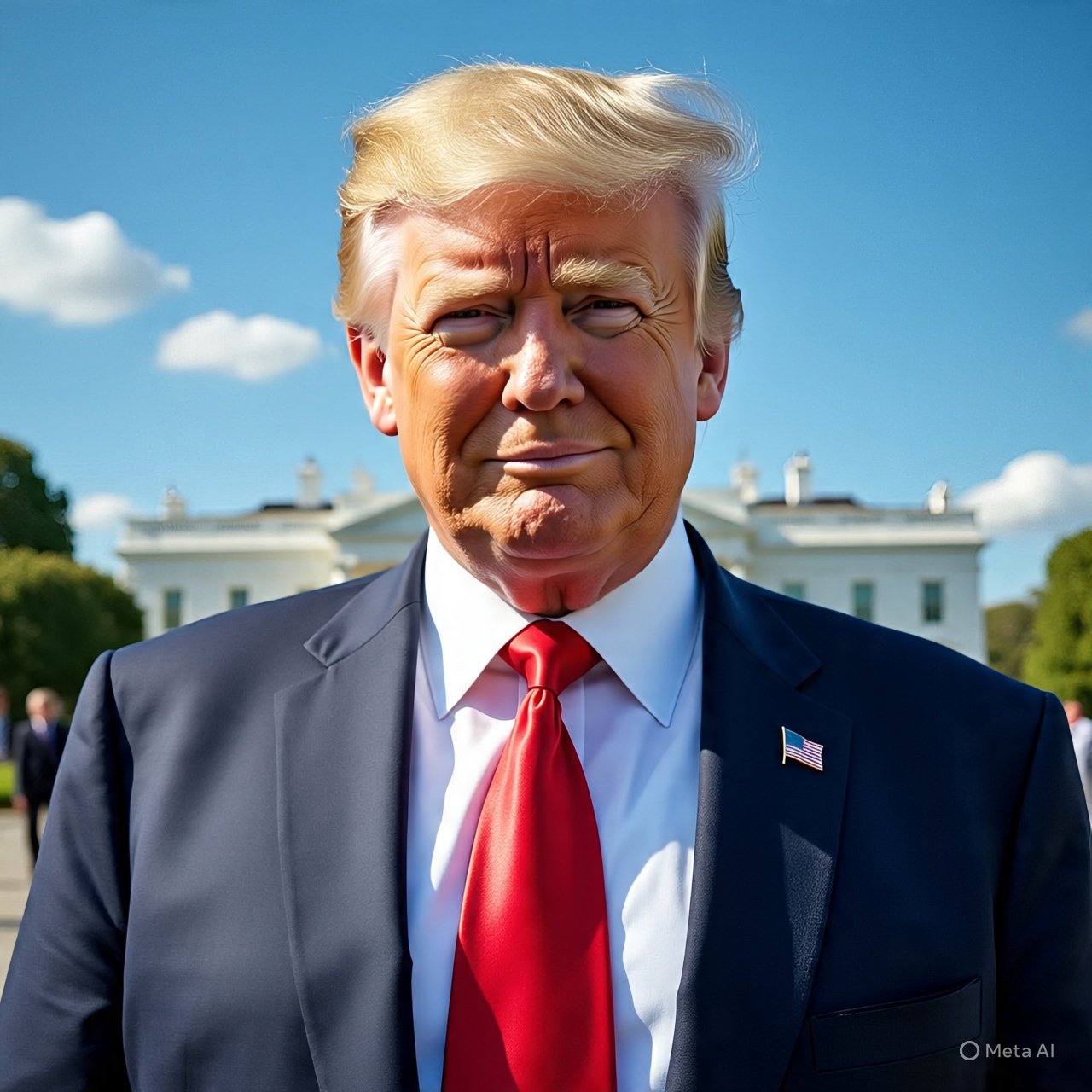
Even before the formal talks began, a sharp political battle continues between the two nations. In Washington, President Donald Trump expressed confidence that the Strait of Hormuz—a central point of the global energy crisis—will “reopen on its own” very soon. Trump clarified that for him, 99% of this deal is focused solely on “No Nuclear Weapons.”
Iran has created a diplomatic stalemate by emphasizing its own pre-conditions. Tehran has made it clear that talks will only succeed if the United States:
Halts Israeli attacks in Lebanon.
Restores frozen Iranian assets.
Meanwhile, JD Vance has warned Tehran not to attempt any “games” with Washington. Pakistan’s Prime Minister Shehbaz Sharif has described the current situation as a ‘Make or Break’ phase.
Despite the diplomatic maneuvers, the situation on the ground remains dire. Israeli airstrikes in the Lebanese city of Nabatieh have killed 13 security personnel. Over the last two days, the total death toll has reached 357, a factor that is directly casting a shadow over the meetings in Islamabad.
The Trump administration claims that the prolonged conflict has decimated Iran’s military capabilities. According to General Dan Kane, the U.S. has targeted over 13,000 Iranian sites. However, independent data and reports from ACLED present a different picture, suggesting there has been no significant reduction in the pace of Iranian strikes.
Military experts believe that while Iran has suffered heavy losses, it still retains the capability to retaliate or defend itself.
The world now waits to see if this meeting in Islamabad will pave the way for peace in the Middle East or if the conflict will deepen further.