Saturday, March 29, 2025
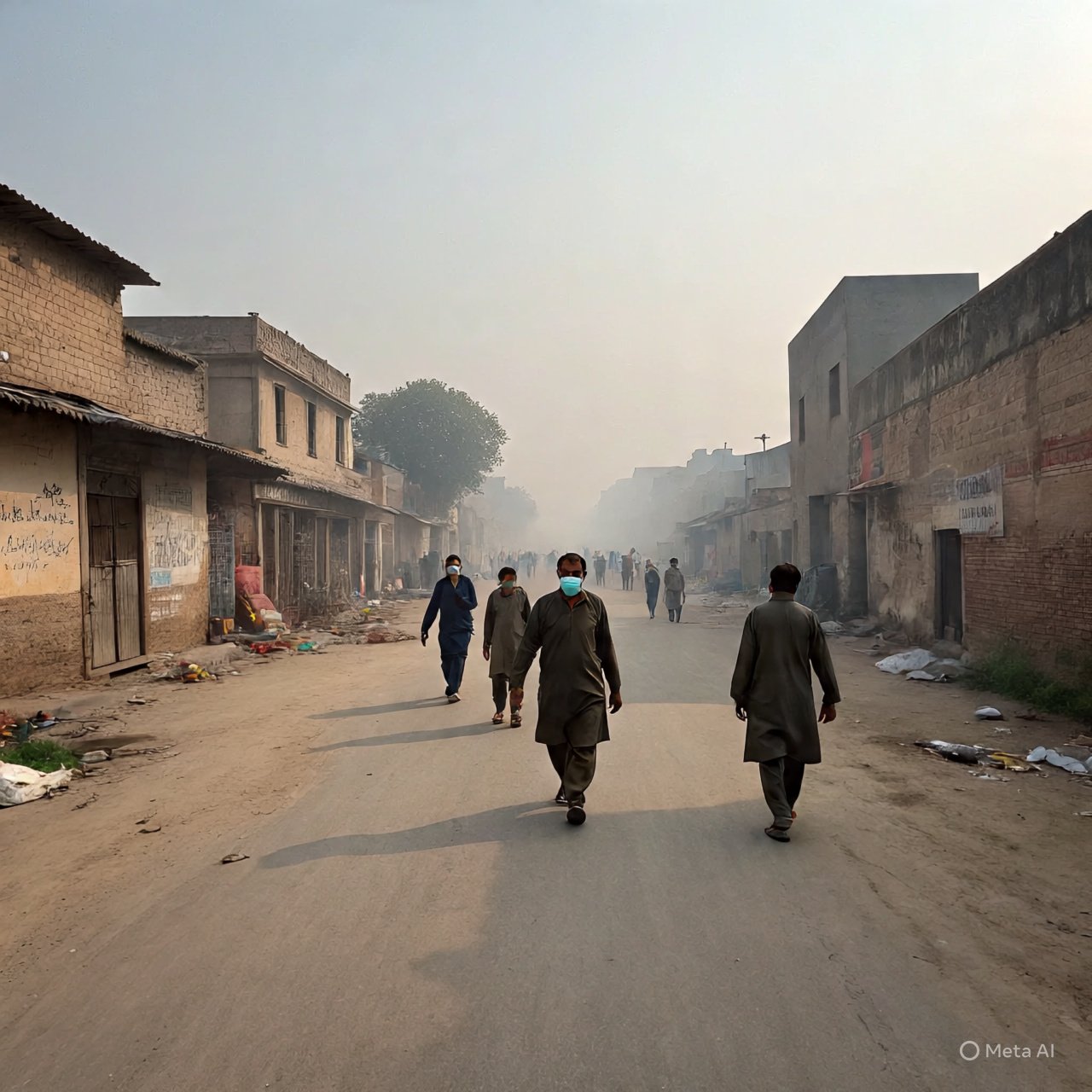
Lahore Becomes World’s Second Most Polluted City as Toxic Air Crisis Worsens in Pakistan
Pakistan’s cultural hub, Lahore—already infamous for extremist activities—has now earned another grim distinction. The city has become the world’s second most polluted urban centre, as air quality across Punjab continues to deteriorate to dangerous levels.
According to a report by ANI, Lahore recorded an Air Quality Index (AQI) of 396 last Saturday, placing it firmly in the “hazardous” category. Pakistan’s Faisalabad remains the most polluted city in the country with an alarming AQI of 571, followed closely by Gujranwala at 570. Meanwhile, Multan recorded an AQI level of 257, also considered very unhealthy.
This crisis mirrors last year’s severe air pollution outbreak in Punjab, when smog combined with falling temperatures wreaked havoc on public health. Despite multiple government measures, pollution levels crossed dangerous thresholds, causing a spike in respiratory illnesses and other health complications.
This year, the pattern has repeated. Lahore’s pollution levels far exceed the World Health Organization (WHO) standards for clean air. In response, the Pakistani government has shut schools and restricted the operating hours of restaurants, commercial markets, and other businesses to protect citizens from toxic air exposure.
Earlier, Dawn reported that several other urban centres across Pakistan recorded AQI levels above 300—an extremely unhealthy range. Authorities have urged residents to:
Limit outdoor activities
Keep windows closed
Wear masks when outside
Use air purifiers indoors
Human Rights Watch has identified multiple factors behind Lahore’s worsening air crisis, including:
Destruction of green belts
Conversion of farmland into concrete complexes
Widespread crop burning
Lack of an efficient public transport system
In addition, pollution from fossil-fuel vehicles, industrial emissions, heating systems, burning of waste, and power generation continues to push air quality to hazardous extremes.
With no long-term solutions in place and winter just beginning, Pakistan faces yet another season of thick smog, rising illnesses, and mounting public frustration over environmental mismanagement.