Saturday, March 29, 2025
International Desk: March 25, 2026
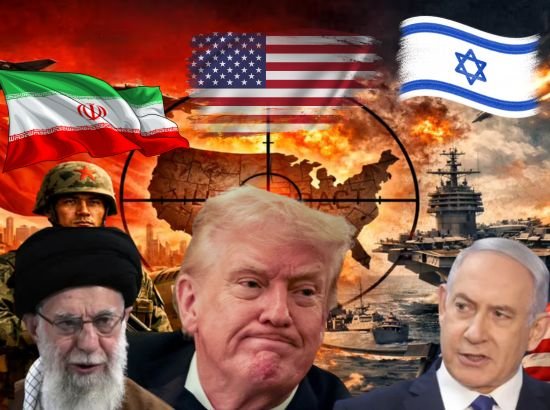
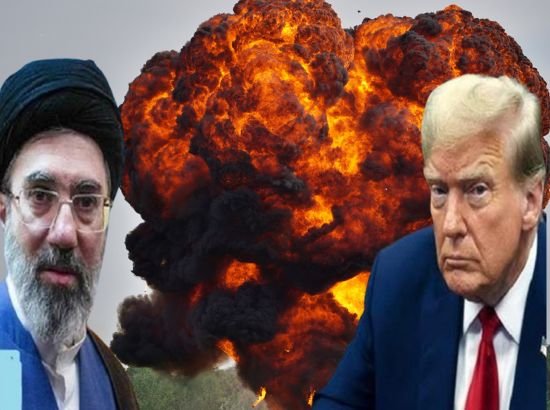
Amidst the ongoing intense war in the Middle East, Iran has adopted an extremely aggressive stance regarding U.S. President Donald Trump’s proposal for talks. Tehran has made it clear that before any form of ceasefire or agreement, the United States must dismantle all its military bases in the Gulf region. Furthermore, Iran took a swipe at Washington, stating that “the U.S. is currently only talking to itself,” highlighting the deep-seated distrust between the two nations.
The demands set forth by Iran for any potential de-escalation include:
Base Closures: Immediate withdrawal of U.S. military presence from the Middle East.
Sanctions & Reparations: Immediate lifting of economic sanctions and compensation for war-related damages.
Hezbollah Conflict: An end to Israeli operations against Hezbollah.
Maritime Control: The most controversial demand involves full control over the Strait of Hormuz, including the authority to collect fees from passing vessels.
Experts suggest that the Islamic Revolutionary Guard Corps (IRGC) is the driving force behind these rigid conditions, having tightened its grip on the country’s foreign policy.
Despite this fierce public rhetoric, there are reports of “backroom signals” suggesting a slight softening of their position. According to certain reports, Iran might consider:
Temporarily halting its Ballistic Missile Program.
Reducing its Uranium Enrichment levels.
Scaling back support for regional proxy groups in exchange for a comprehensive settlement.
The current situation remains incredibly complex, characterized by a dual reality: public defiance on one hand and quiet, behind-the-scenes efforts for a potential compromise on the other.