Saturday, March 29, 2025
New Delhi: March 24, 2026
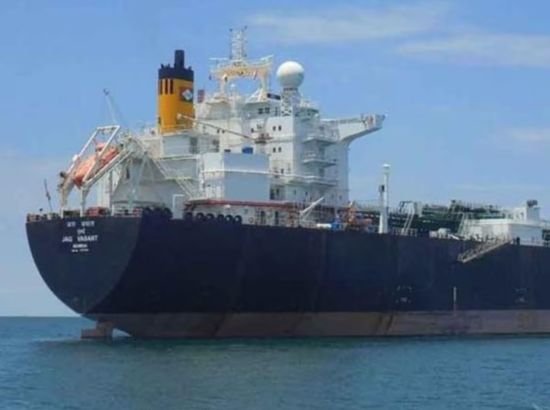
The fierce ongoing war in Middle Asia between Iran, the USA, and Israel has shaken the global economy. Due to this conflict, the strategically vital supply line of the Strait of Hormuz has been severely impacted, through which approximately 20% of the world’s total oil trade passes. Following attacks on Iran’s oil wells and gas fields, crude oil prices have consistently remained above $100 per barrel, triggering a severe oil and gas crisis in several Asian countries, including India.
While the world is feeling the pinch, the impact of this crisis is significantly higher on India’s neighbor, Pakistan, compared to India itself. According to a recent report:
Pakistan: It imports the majority of its oil from Gulf countries. The shortage has become so acute that the government has been forced to impose restrictions on schools and offices.
Japan, Thailand, and South Korea: These nations follow Pakistan as the most concerned, facing higher risks than India.
India: Ranked fifth on this risk list. India has managed to mitigate the impact by significantly diversifying its oil requirements through alternatives like Russia, the USA, and Norway.
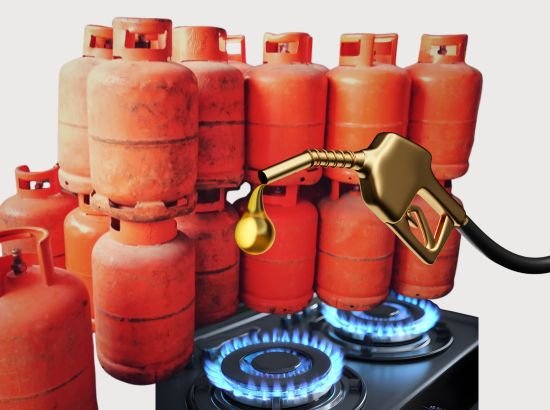
Despite the diversification of oil, India faces its biggest challenge regarding Natural Gas. The country still relies on Gulf nations for nearly 80% of its gas supply. This dependency has led to a massive shortage of LPG cylinders across the nation.
Europe: European countries remain largely insulated from this specific crisis as they procure most of their gas from Russia, Norway, and the USA.
Aviation: Thousands of international flights are being grounded or affected due to a global shortage of Jet Fuel.
In response to the gravity of the situation, the Government of India has already convened an All-Party Meeting to discuss future strategies and stabilize the energy supply.