Saturday, March 29, 2025
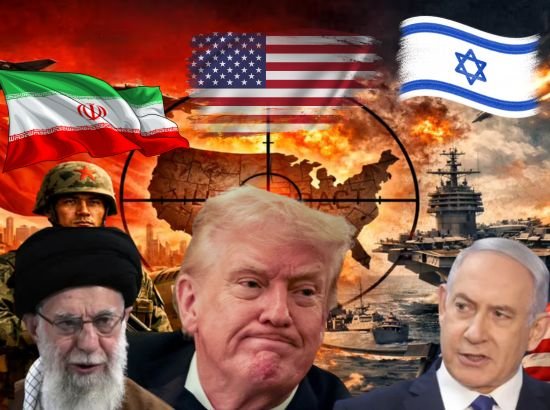
Iran-US War: 3 Potential Turning Points—Will Trump’s Strategy Redraw Middle East Map?
Washington/Tehran: March 12, 2026
Middle East Iran crisis at delicate juncture, eyes fixed on US President Donald Trump and Iran’s new Supreme Leader Mojtaba Khamenei. Trump clear: Campaign ends only after Iran’s weapons capabilities fully destroyed. White House strategists weigh three key options shaping war’s future.
Most likely outcome: Like 1990s Iraq. US devastates Iran’s military infrastructure, missile sites, drones—leaving it unable to strike beyond borders. Political structure survives but under harsh sanctions, aerial patrols; isolated weak state akin to Saddam Hussein’s era.
Worst case if Trump declares victory early due to rising oil prices/global economic pressure. Halts reorganization, letting Iran emerge more aggressive. Heightens Gulf missile threats, potentially trapping US deeper in Middle East quagmire.
Optimal but hardest: Military pressure sparks Iranian public revolt against Islamic Republic. Experts doubt airstrikes alone suffice—needs major internal uprising or ground invasion, currently unlikely.
Conflict trends toward new “cold war” sans quick deal. Uncertainty looms over global energy markets, regional security till clear resolution.