Saturday, March 29, 2025
Fentanyl More Dangerous Than a Bomb: Trump Declares Drug a ‘Weapon of Mass Destruction’
Washington, December 16, 2025:
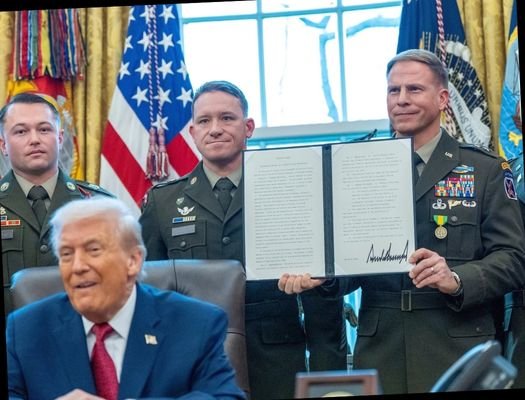
U.S. President Donald Trump on Monday signed a sweeping executive order officially designating fentanyl as a “weapon of mass destruction,” calling the synthetic opioid more devastating than conventional bombs due to its widespread and deadly impact on American society.
Speaking from the Oval Office, Trump said no explosive device could match the scale of destruction caused by fentanyl. “No bomb can do what fentanyl does,” he remarked, emphasizing that the drug has silently ravaged communities, overwhelmed healthcare systems, and claimed tens of thousands of lives across the United States.
The executive order was signed in the presence of senior national security and military officials, including Defense Secretary Pete Hegseth, Chairman of the Joint Chiefs of Staff General Dan Kane, White House Border Czar Tom Homan, and other top defense and intelligence leaders.
Under the new directive, fentanyl will be treated in the same strategic threat category as nuclear, biological, and chemical weapons—terms traditionally used to describe dangers capable of causing large-scale, long-term harm to populations, infrastructure, and national security. The order instructs the Department of Homeland Security to deploy advanced intelligence tools—similar to those used to track weapons of mass destruction—to identify criminal networks involved in fentanyl trafficking.
The policy also mandates stronger coordination between the Pentagon and the Department of Justice to counter drug smuggling operations, both domestically and internationally. Additionally, the Treasury and State Departments have been directed to impose sanctions, freeze assets, and take financial action against foreign and domestic entities linked to fentanyl production and distribution.
While the executive order marks a significant escalation in the federal government’s response to the opioid crisis, questions remain about its practical implications. It is not yet clear how the new classification will affect individuals struggling with addiction or how far expanded military and intelligence involvement will extend in domestic law enforcement operations. Legal experts have already raised concerns about the scope and constitutional limits of such measures.
Earlier this year, the Trump administration designated several drug trafficking organizations as terrorist groups, a move that allowed greater coordination between armed forces and civilian agencies but also sparked legal and civil liberties debates.
In a related announcement, Trump said his administration is also considering reclassifying marijuana as a less dangerous drug. “A lot of people want this, and we’re taking it very seriously,” he said, signaling a potential shift in federal drug policy alongside the hardline stance on fentanyl.
The fentanyl order underscores the administration’s framing of the opioid epidemic not just as a public health crisis, but as a national security threat demanding extraordinary measures.