Saturday, March 29, 2025
New Delhi: March 24, 2026
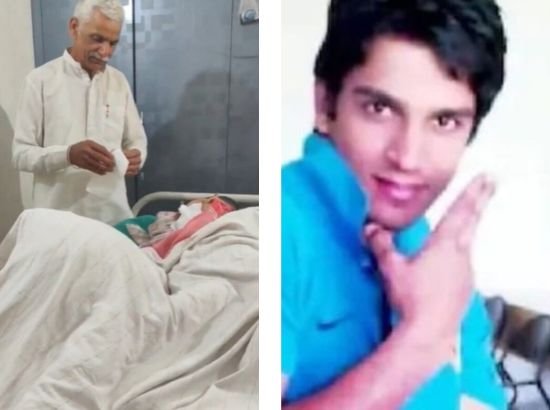
After spending nearly 13 years in a vegetative comatose state, Harish Rana has finally found relief from a life of profound suffering. In a landmark case of Passive Euthanasia in the country’s history, Harish Rana breathed his last on Tuesday at AIIMS Hospital, Delhi, following the green signal from the Supreme Court. Harish had been unconscious for several years and was admitted to the Palliative Care Ward of the IRCH center at AIIMS on March 14, where his life journey concluded under the supervision of expert doctors.
This case gained national attention when Harish Rana’s elderly parents, witnessing their son’s agonizing condition, approached the court to plead for euthanasia. Considering human compassion and detailed medical reports, the Supreme Court granted permission for Passive Euthanasia under medical supervision on March 11.
Following this authorization:
Medical Board: AIIMS constituted a special committee of senior doctors.
The Process: Under their oversight, food and water were gradually withdrawn to allow his body to pass away naturally and peacefully.
This incident has sparked a fresh nationwide debate regarding the Right to Die with Dignity. According to legal experts, this decision will serve as a precedent for patients battling terminal illnesses where there is no hope of recovery.
With heavy hearts, Harish’s family welcomed the court’s decision, stating that for them, this was not just death, but ultimate liberation for their son from long and unbearable pain.
This is a significant moment for medical ethics and law in India. Would you like me to provide more details on the specific legal guidelines the Supreme Court established for Passive Euthanasia in this ruling?