Saturday, March 29, 2025
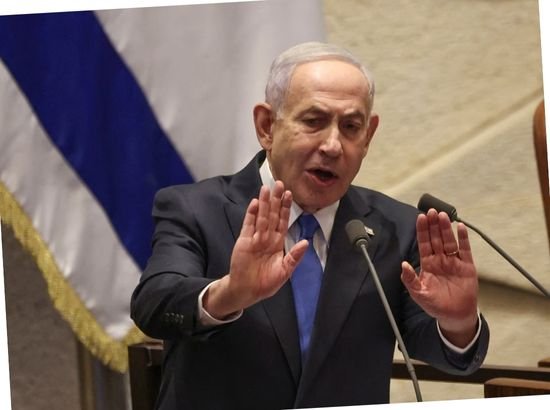
Israeli Prime Minister Benjamin Netanyahu has formally requested a presidential pardon in an attempt to halt the ongoing corruption trials against him. He is the first sitting Israeli prime minister to remain in office while facing criminal prosecution.
Netanyahu is currently facing three separate corruption cases, which include the following key charges:
Bribery
Breach of Trust
Fraud: Allegedly receiving political favors from telecom companies and Hollywood producers in exchange for financial or regulatory benefits.
Despite the serious allegations, Netanyahu has not yet been convicted in any of the cases.
Netanyahu has denied all accusations, calling the corruption cases a conspiracy by the media, police, and judiciary aimed at removing him from power.
Netanyahu claims the ongoing trials are creating division and instability in the country. He argues that granting him a pardon would help unite the nation, especially during a sensitive political period.
Opposition parties reacted sharply, condemning the plea for clemency.
Opposition leader Yair Lapid urged President Isaac Herzog not to grant the pardon without:
Admission of guilt
Expression of remorse
Immediate retirement from political life
According to critics, granting a pardon under current conditions would weaken Israel’s democratic institutions and send a dangerous message that top leaders are above the law.
Netanyahu’s request comes just weeks after former U.S. President Donald Trump sent a letter to Israeli President Isaac Herzog, urging him to pardon Netanyahu.
Trump called the corruption cases “politically motivated and unjust.”
Legal professionals say a presidential pardon cannot halt an ongoing trial.
The only way to stop the proceedings would be for the Attorney General to suspend them — a scenario experts describe as “highly unlikely.”
If Netanyahu is convicted in any of the cases, he could be forced to resign immediately, putting his decades-long political career in jeopardy.